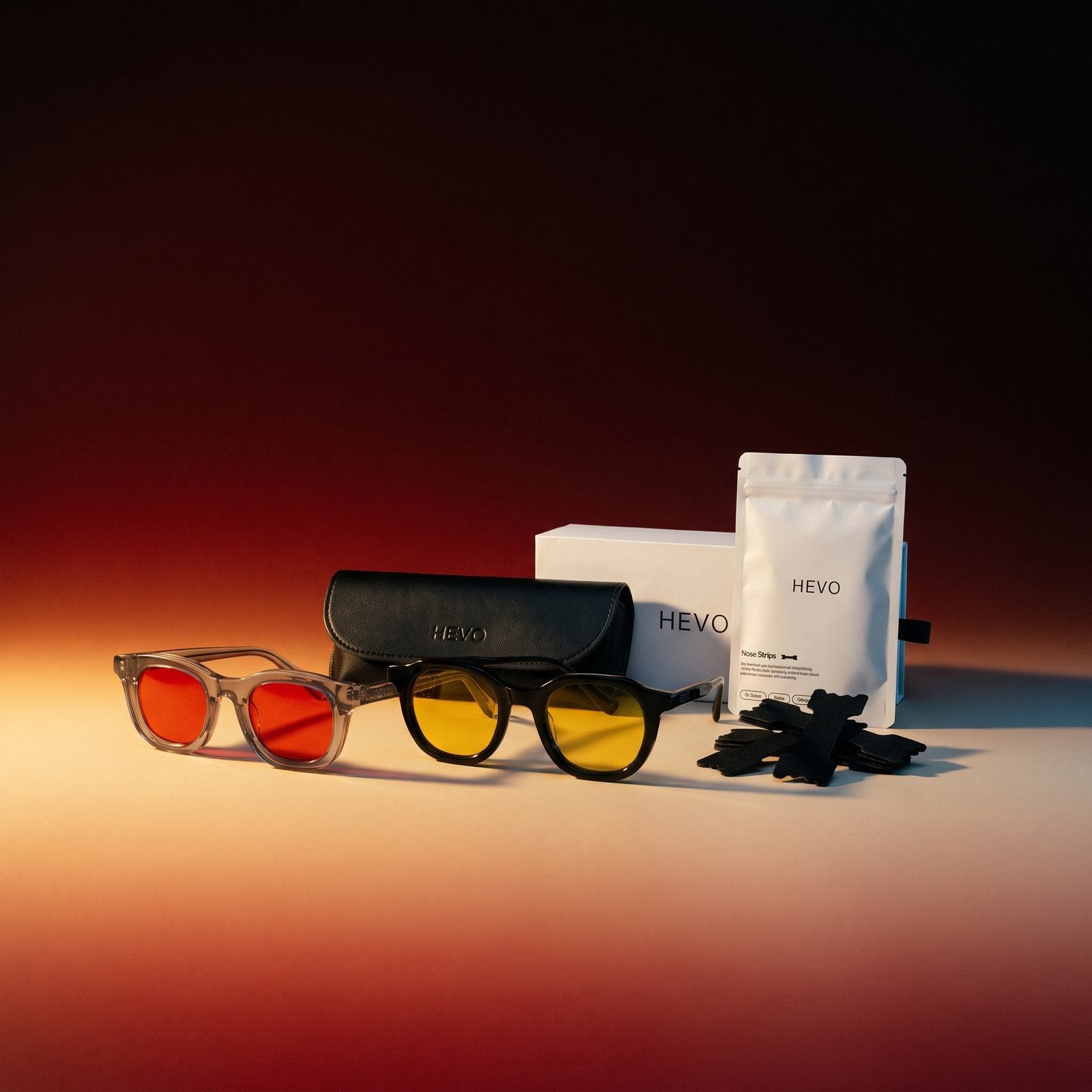



Sleep Lens
Early Black Friday:
extra 30% off 2 pairs
One pair for the evening, one for the day. Nose Strips free. No restock before Black Friday.
Choose your 2 pairs99% blue light block
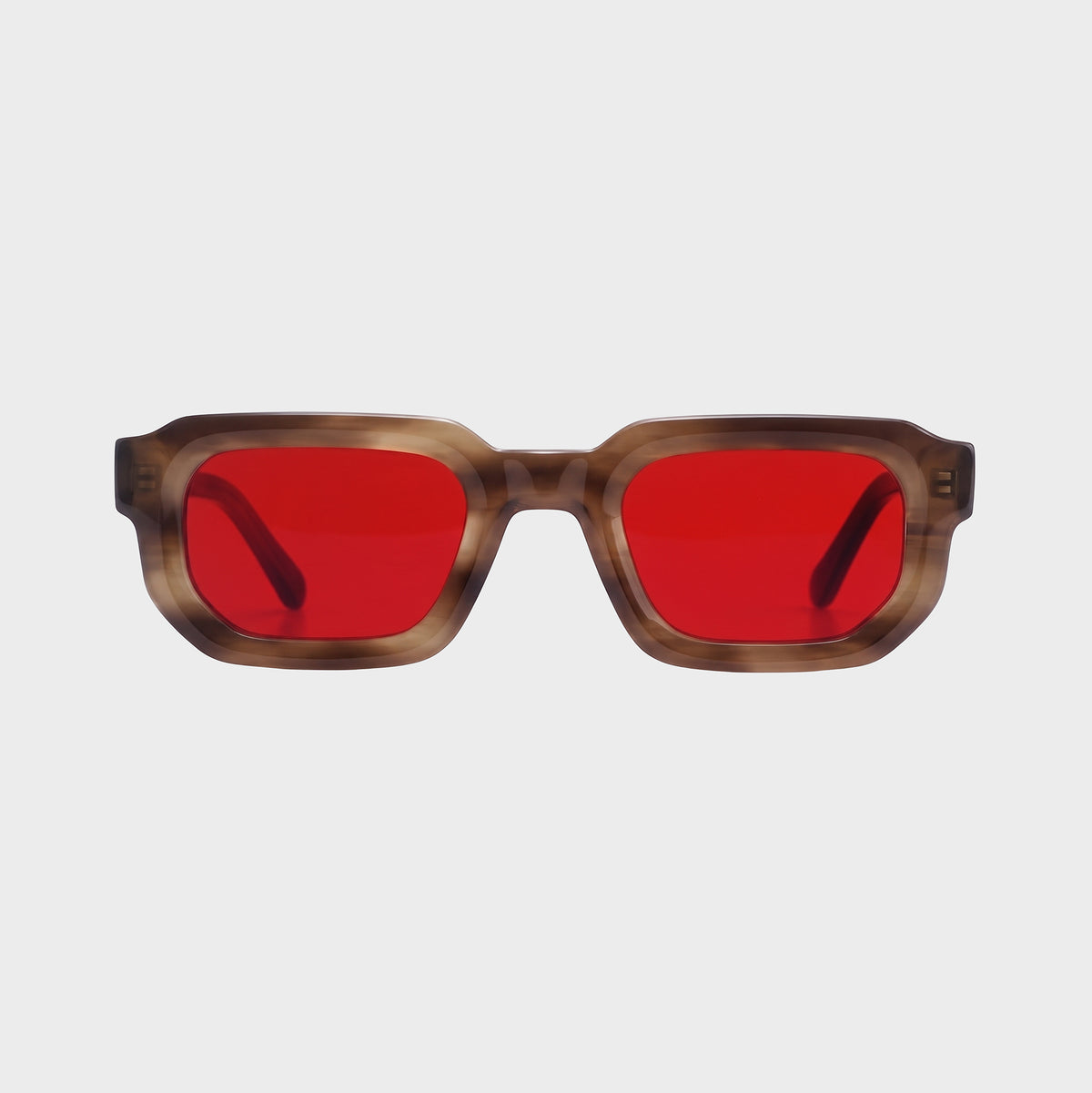
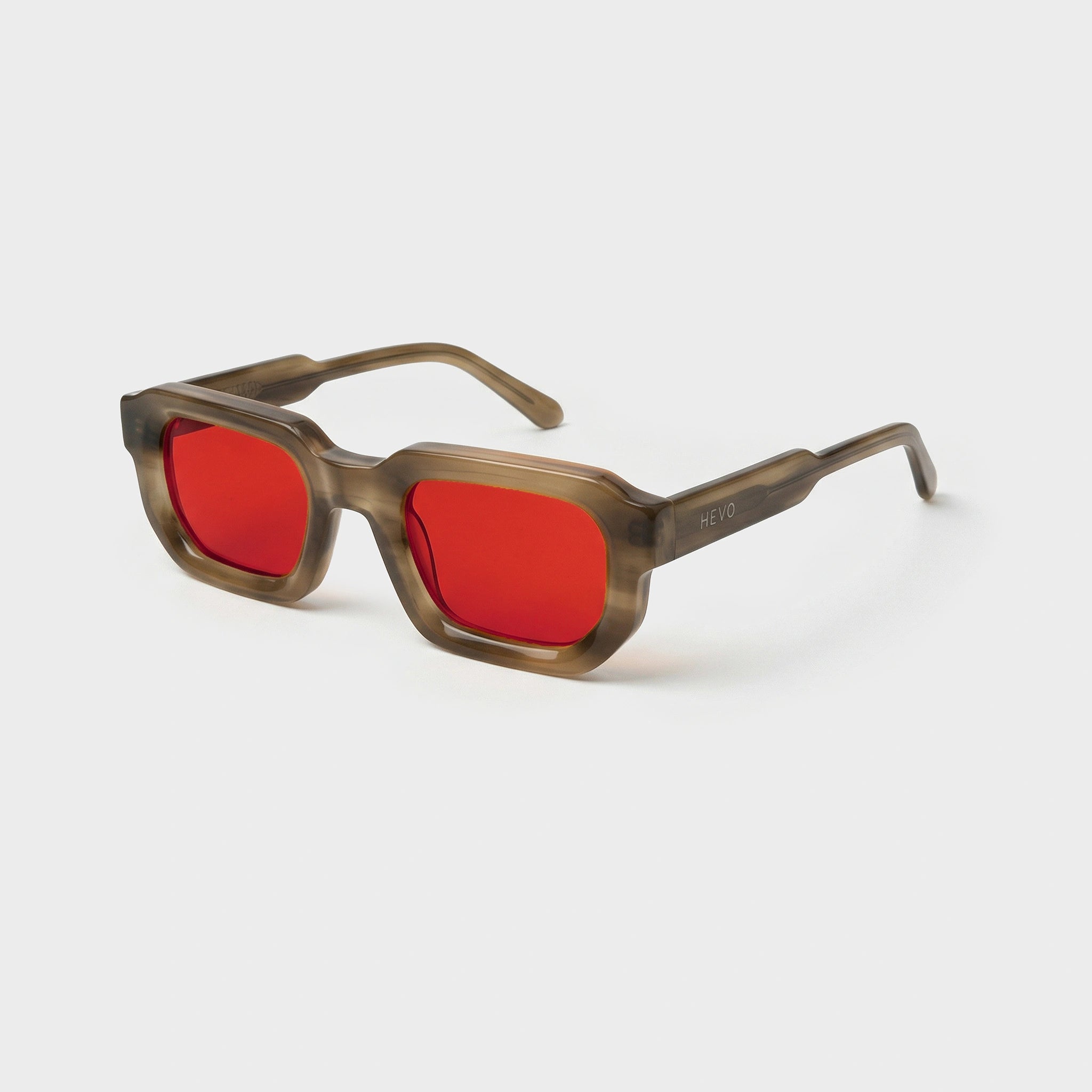
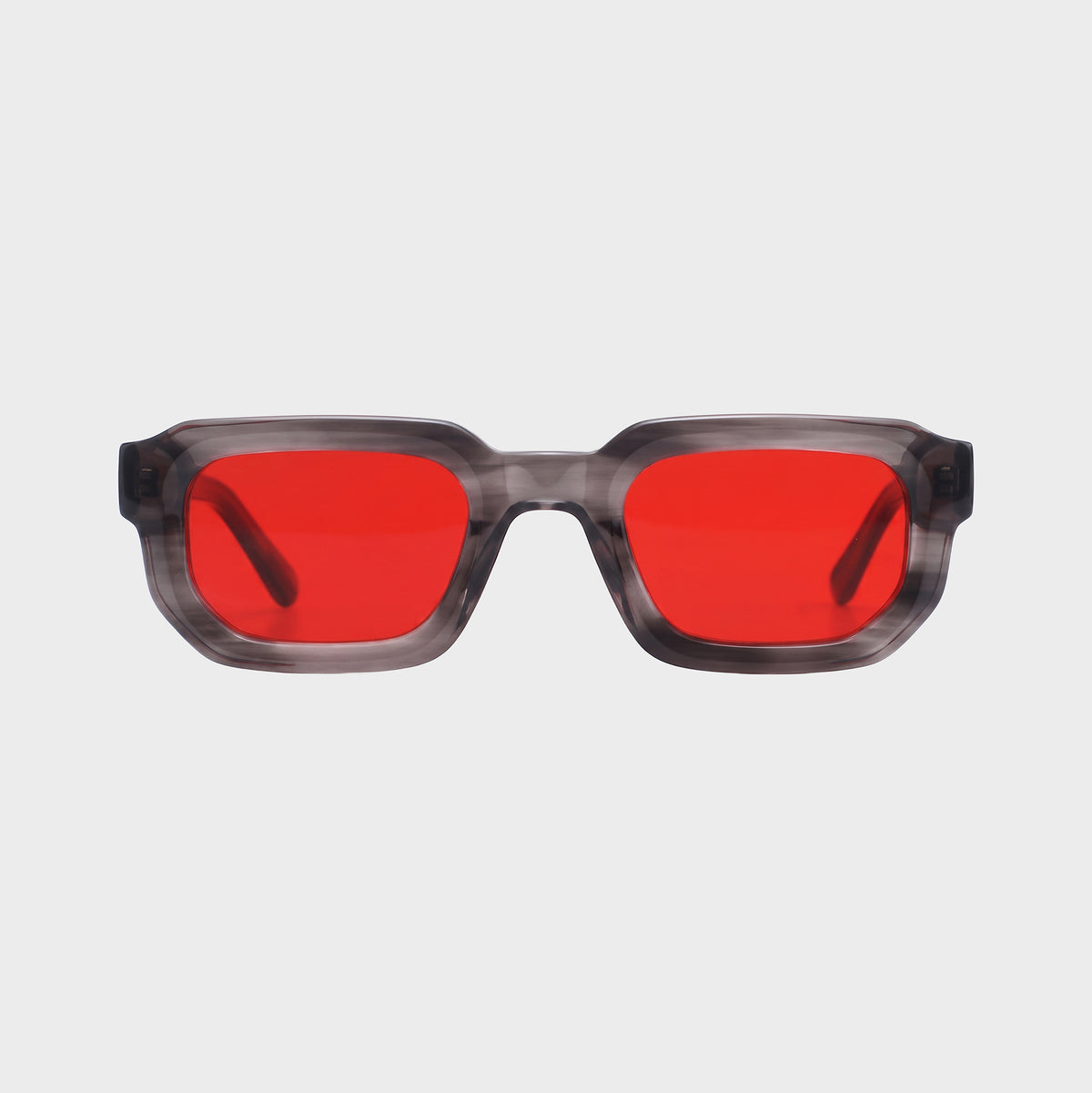
Sleep Lens
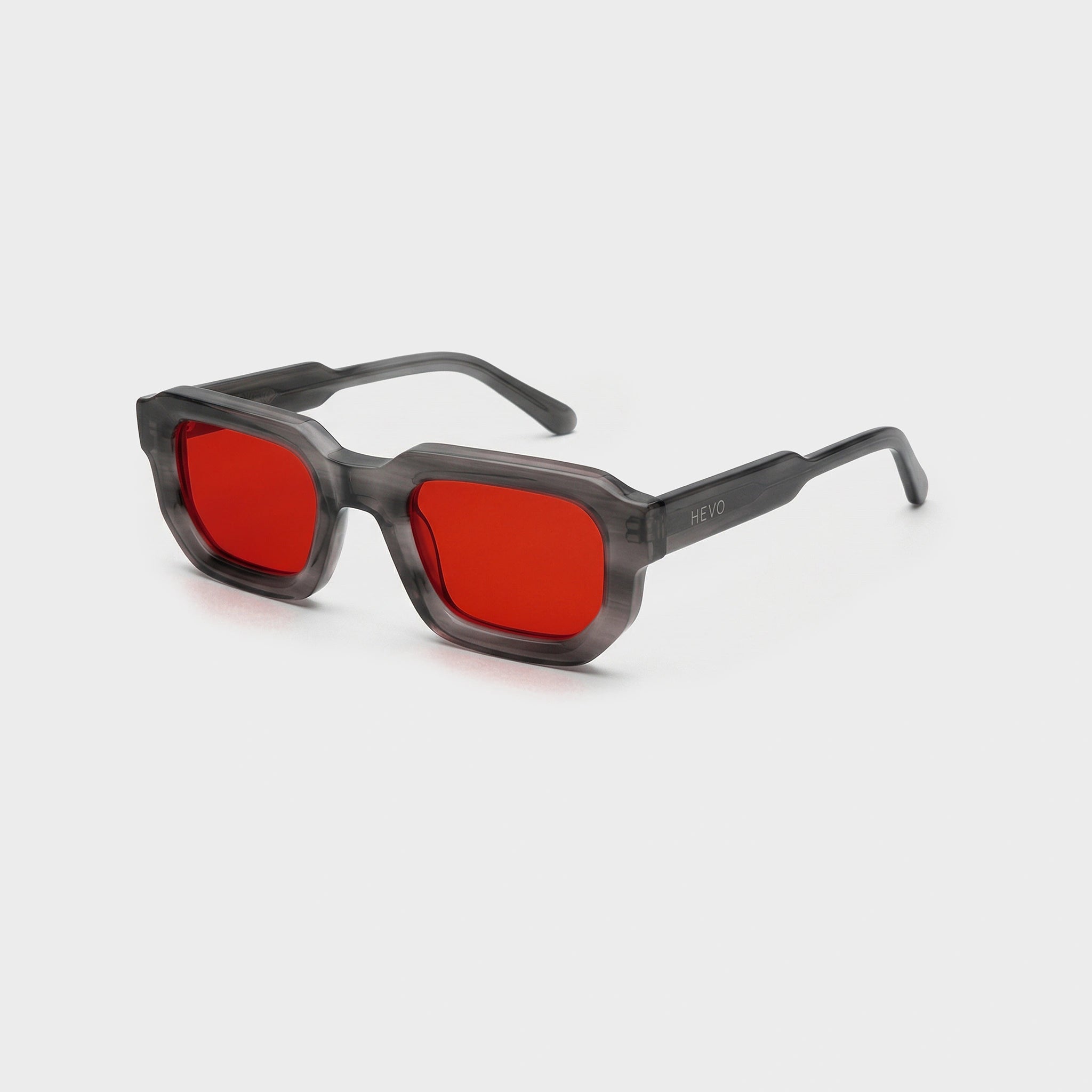
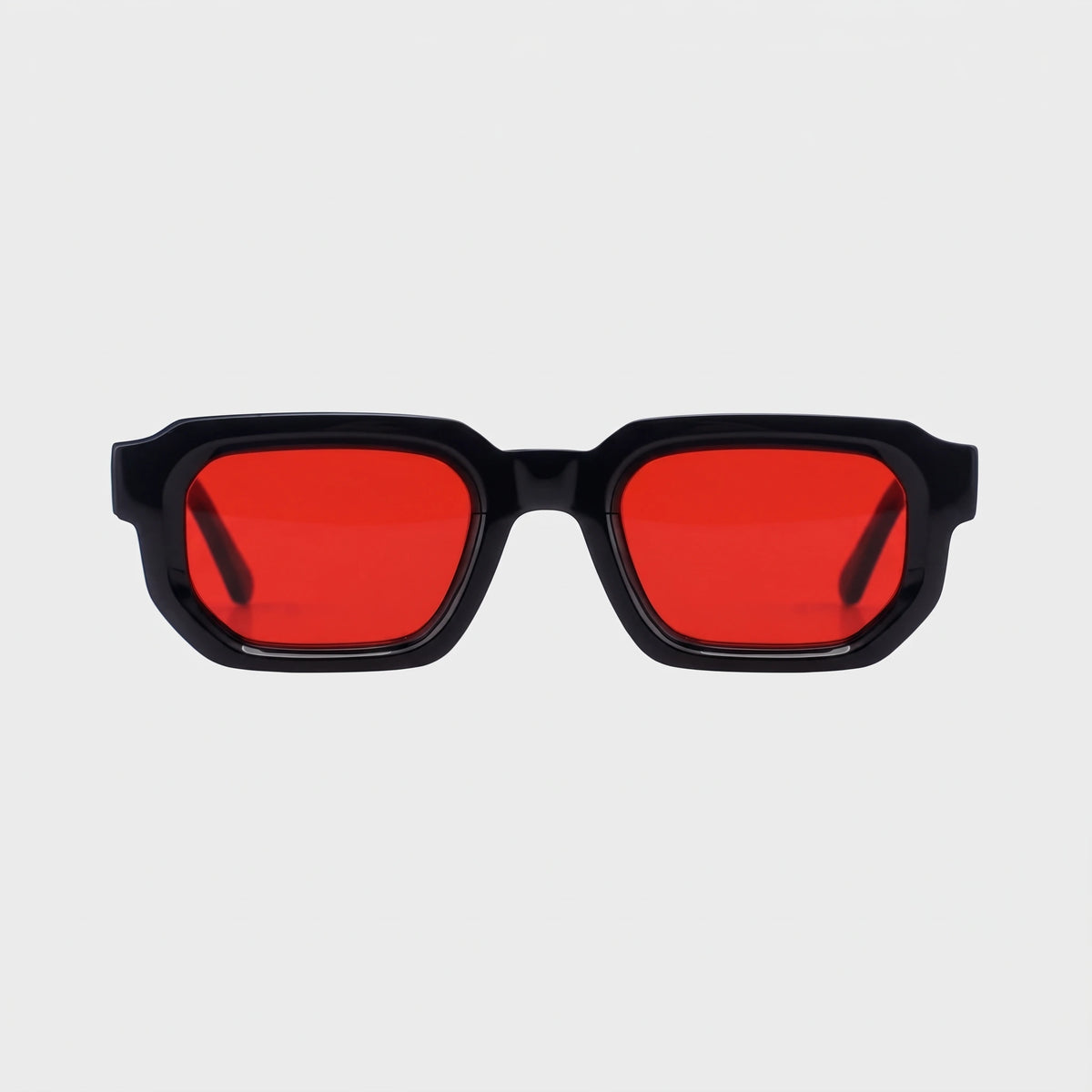
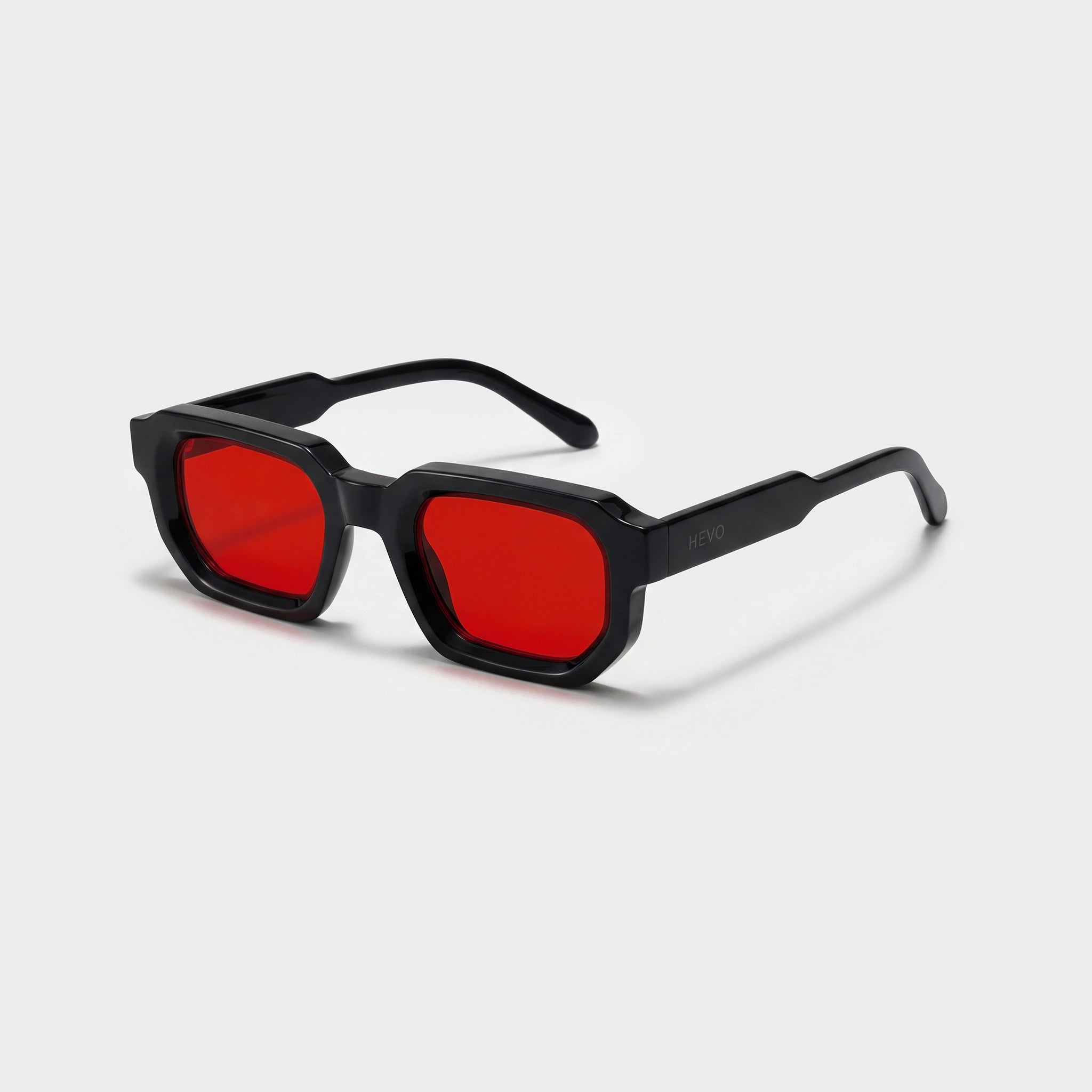
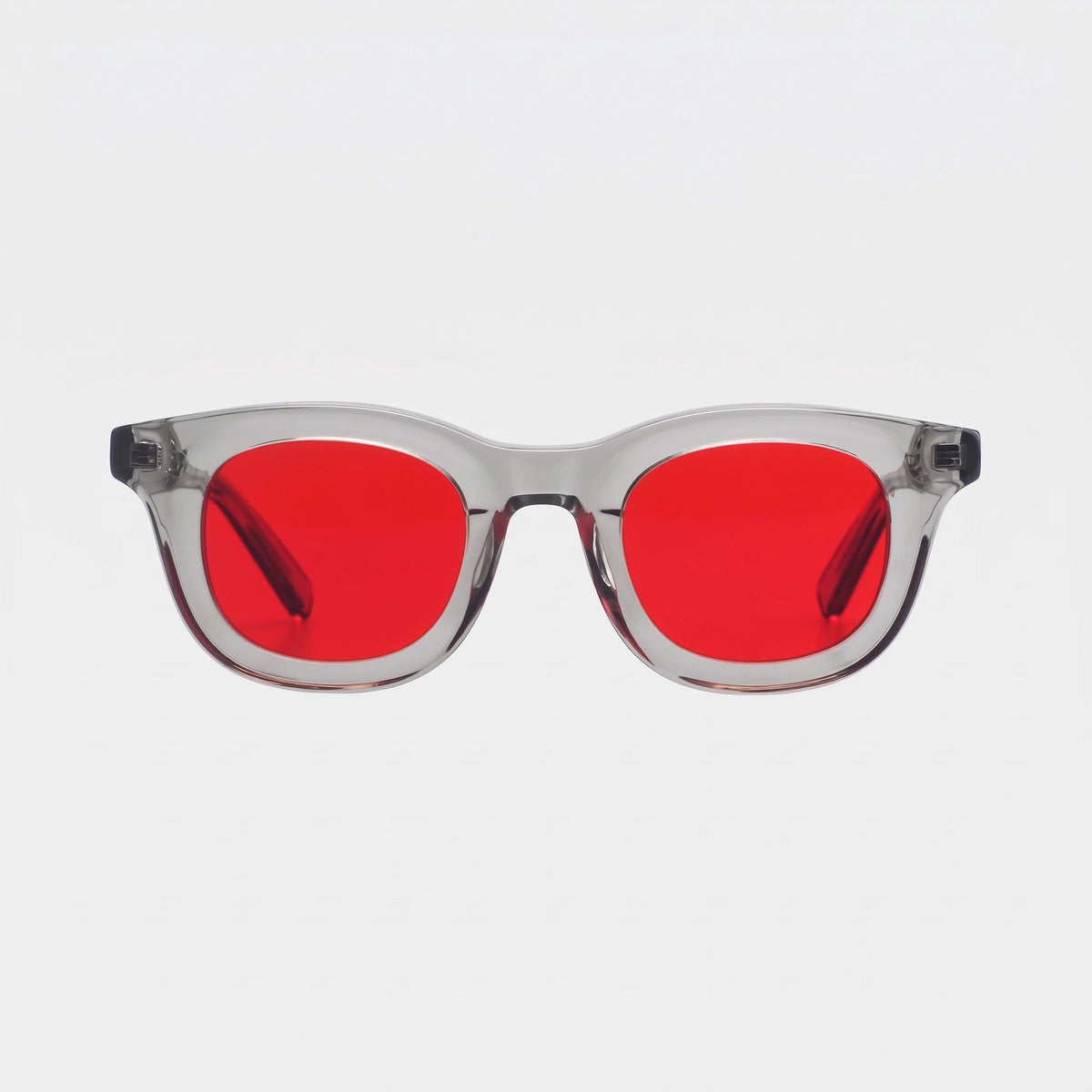
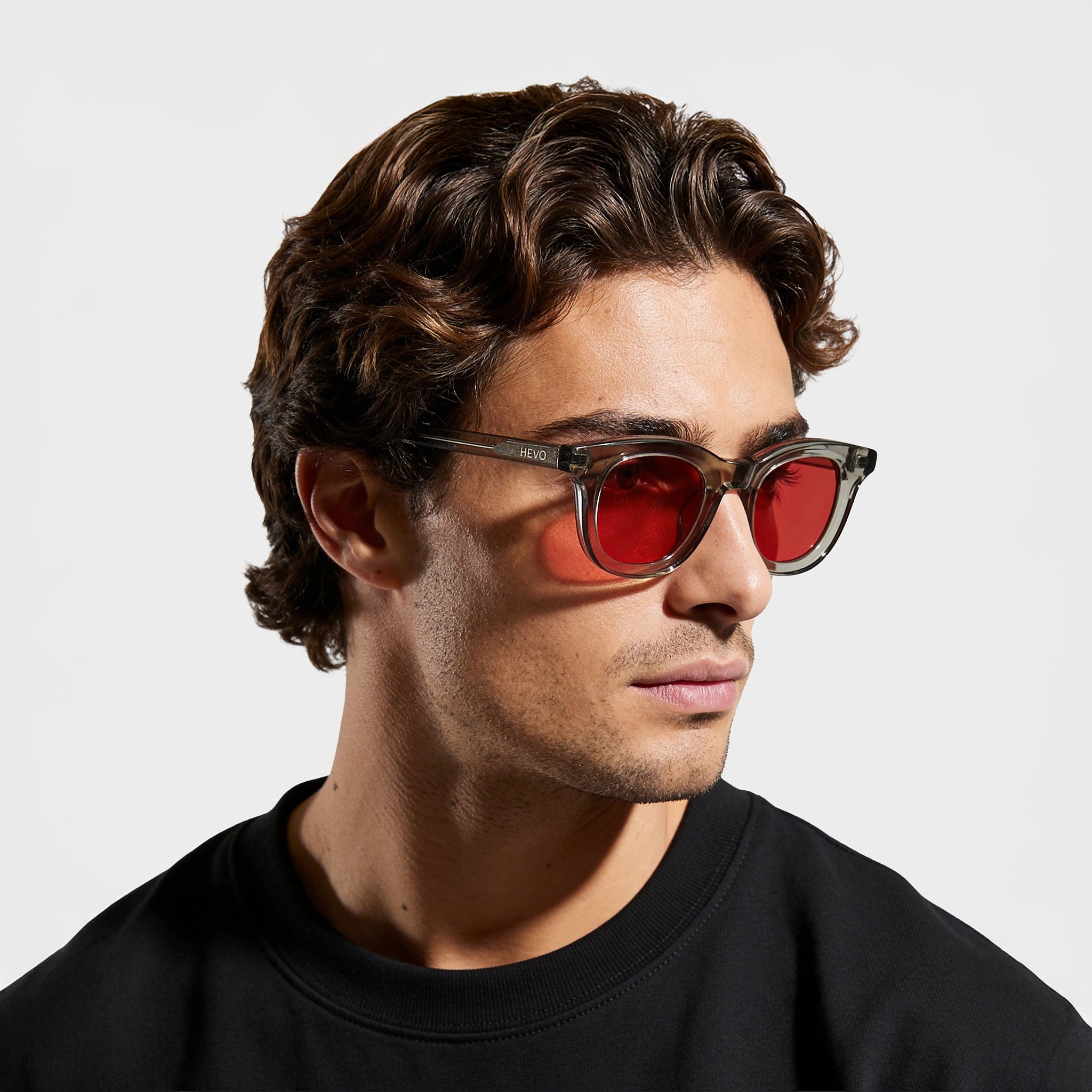
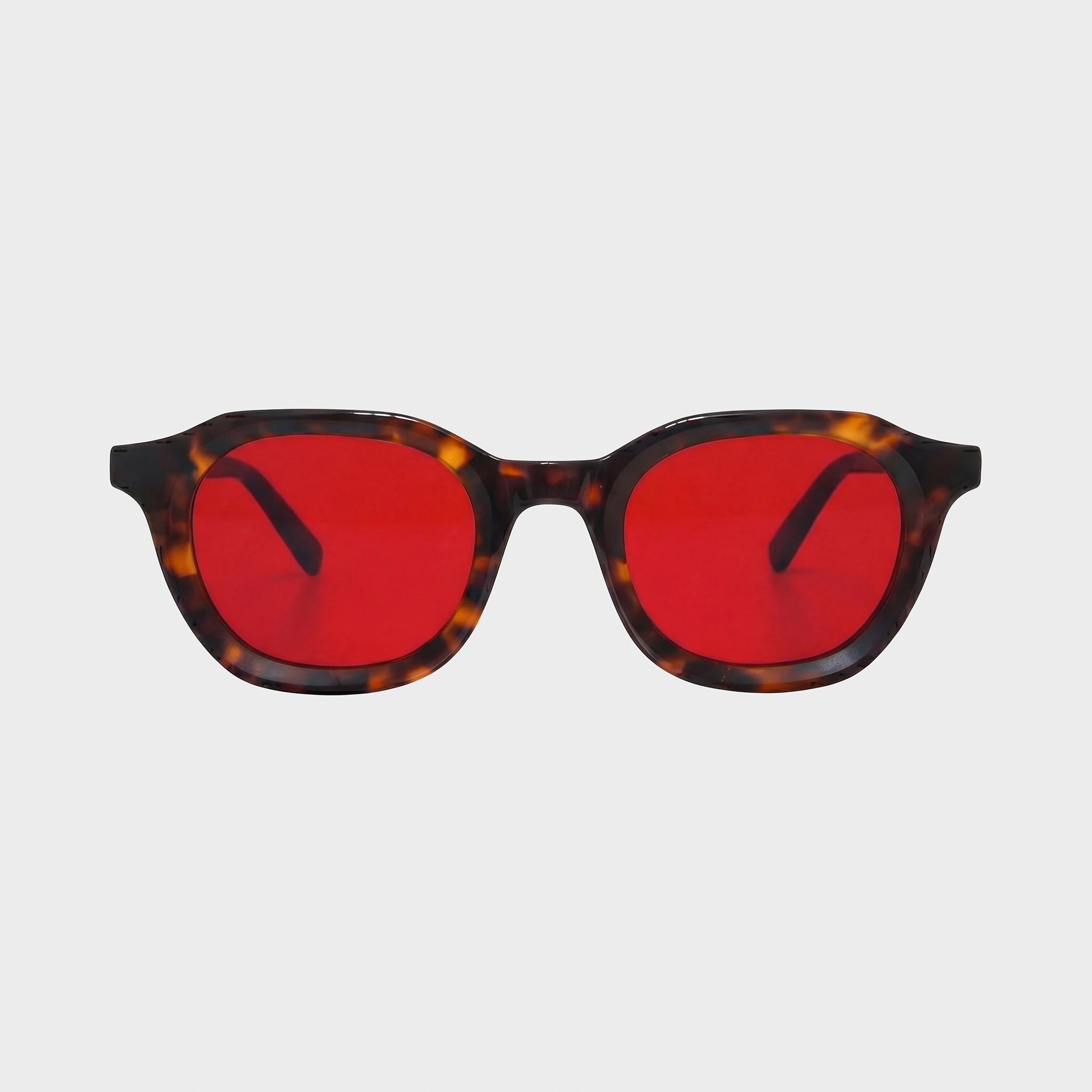
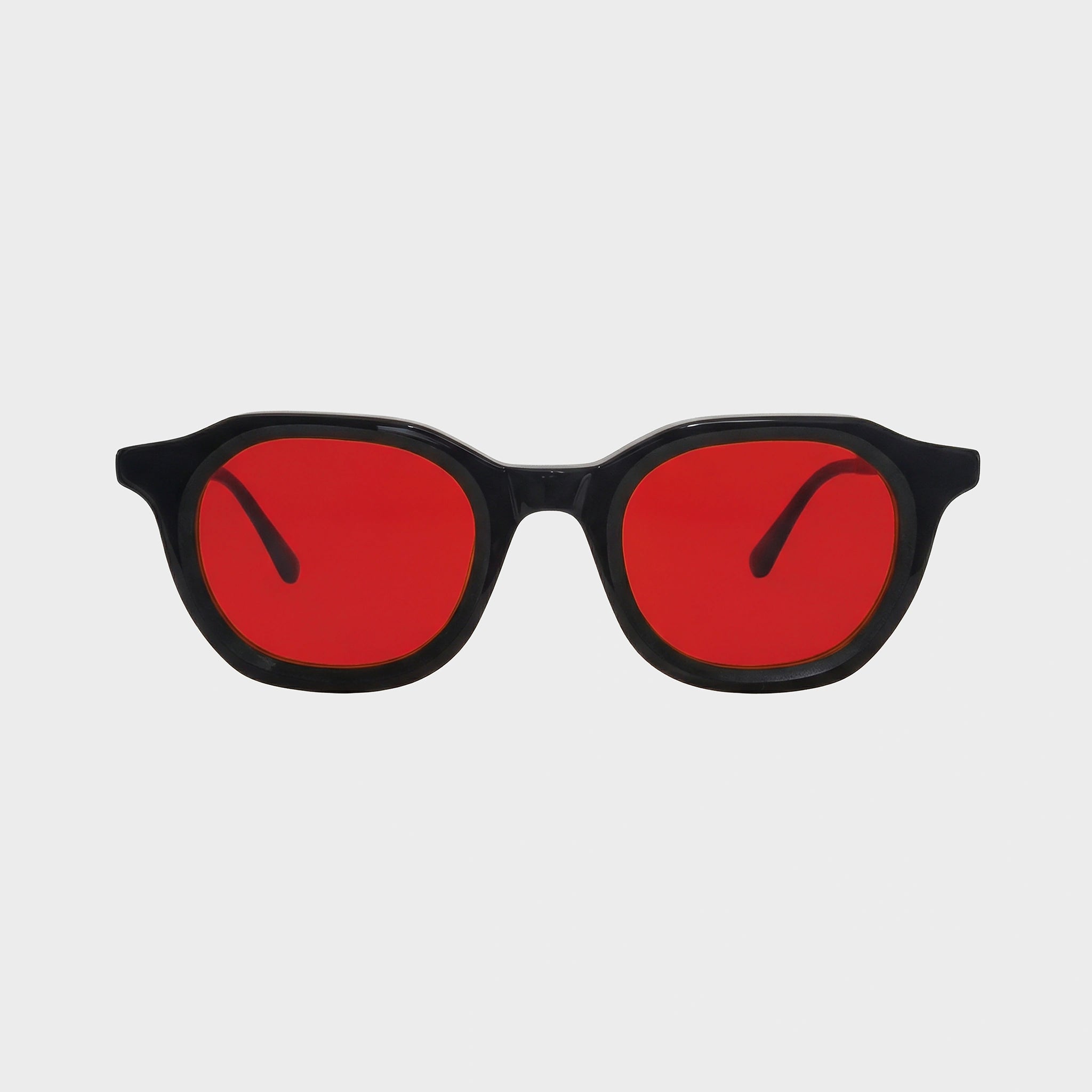
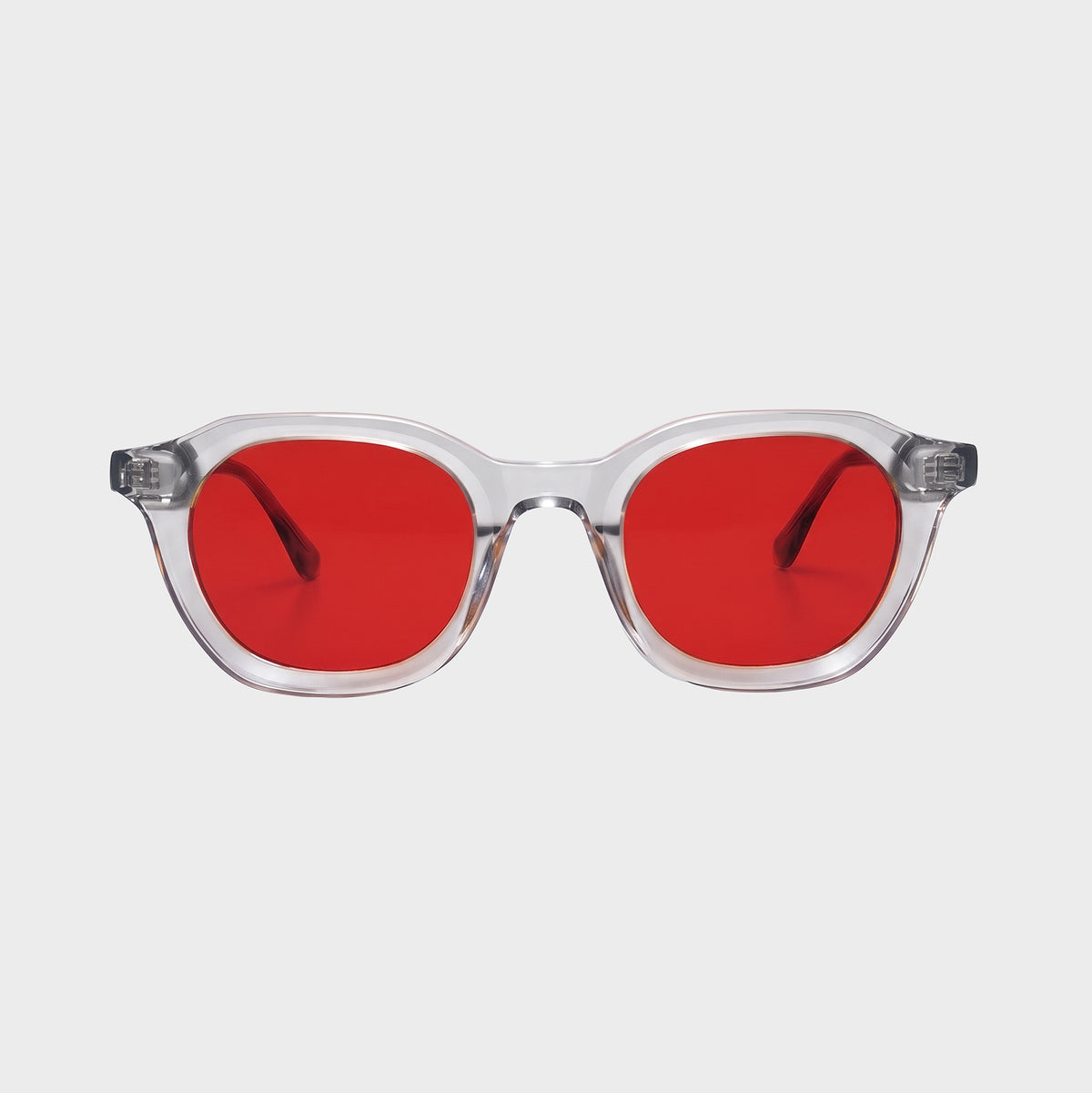
Your signal to wind down. Filters 99% of the light that keeps your body alert after sunset. Put them on before bed — your natural rhythm takes it from there.




84% blue light block
Focus Lens
Your eyes weren't built for 8 hours of screens. Filters the blue light that causes strain and that heavy-eyed feeling. Clear enough that nobody will notice, but your eyes will.
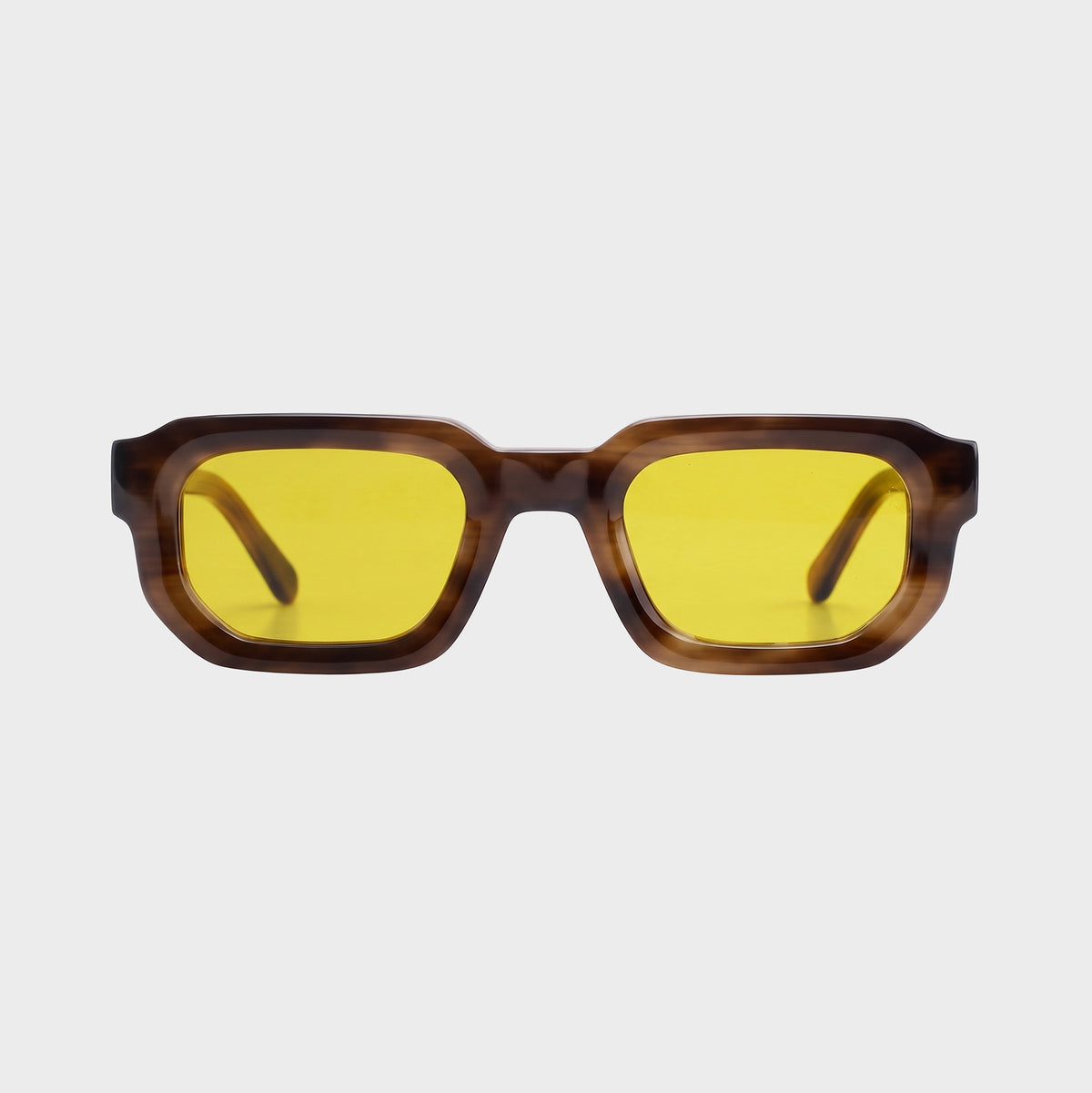
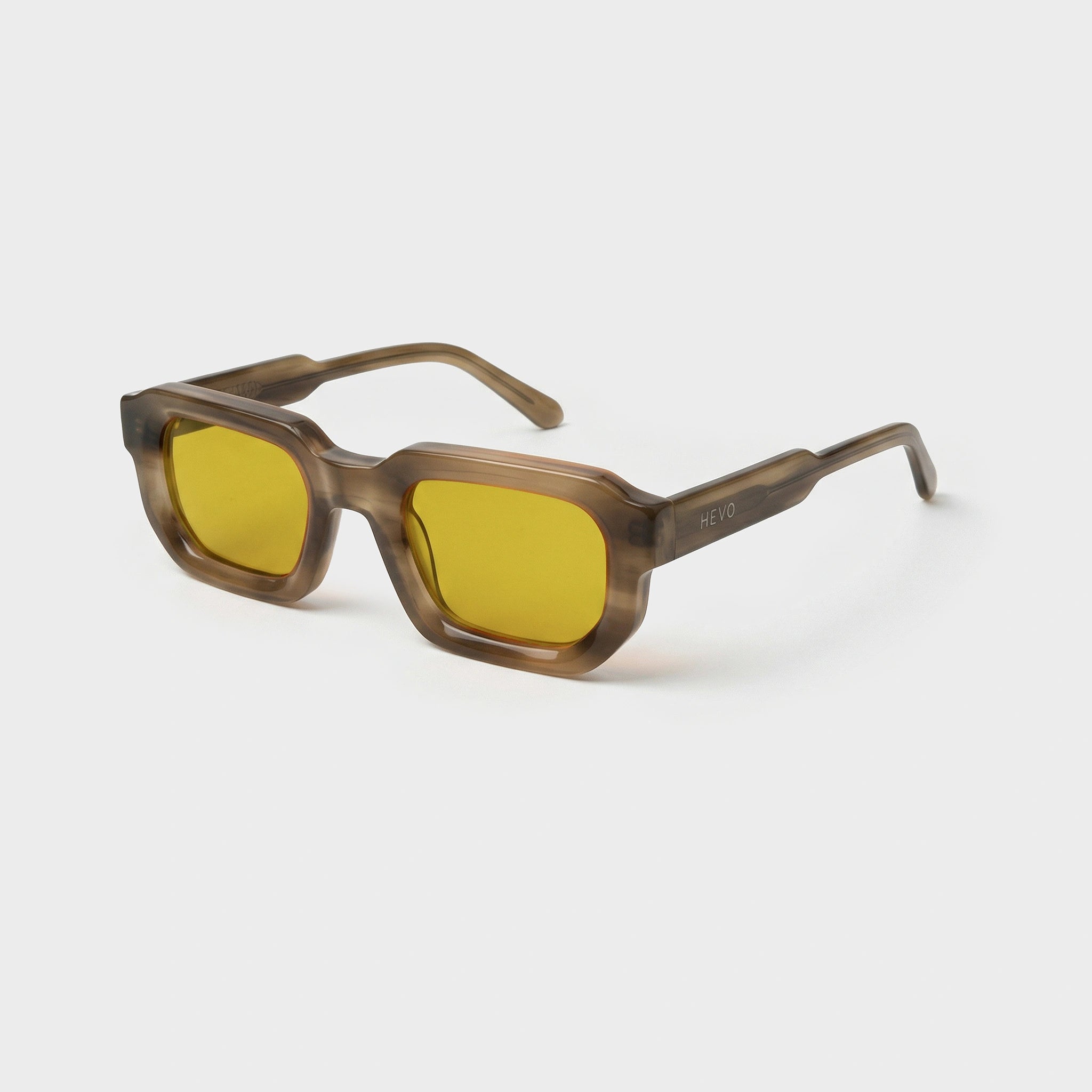
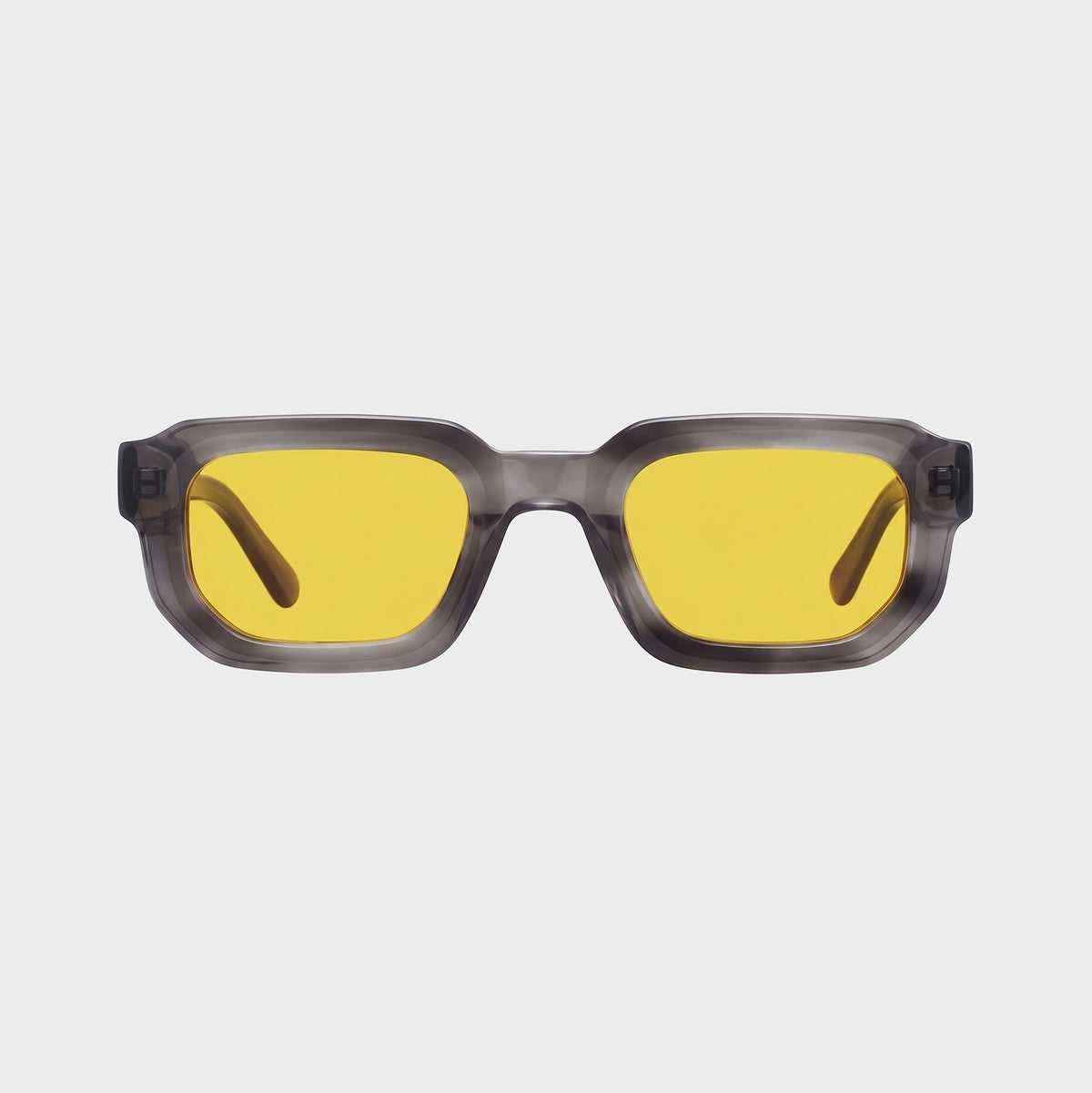

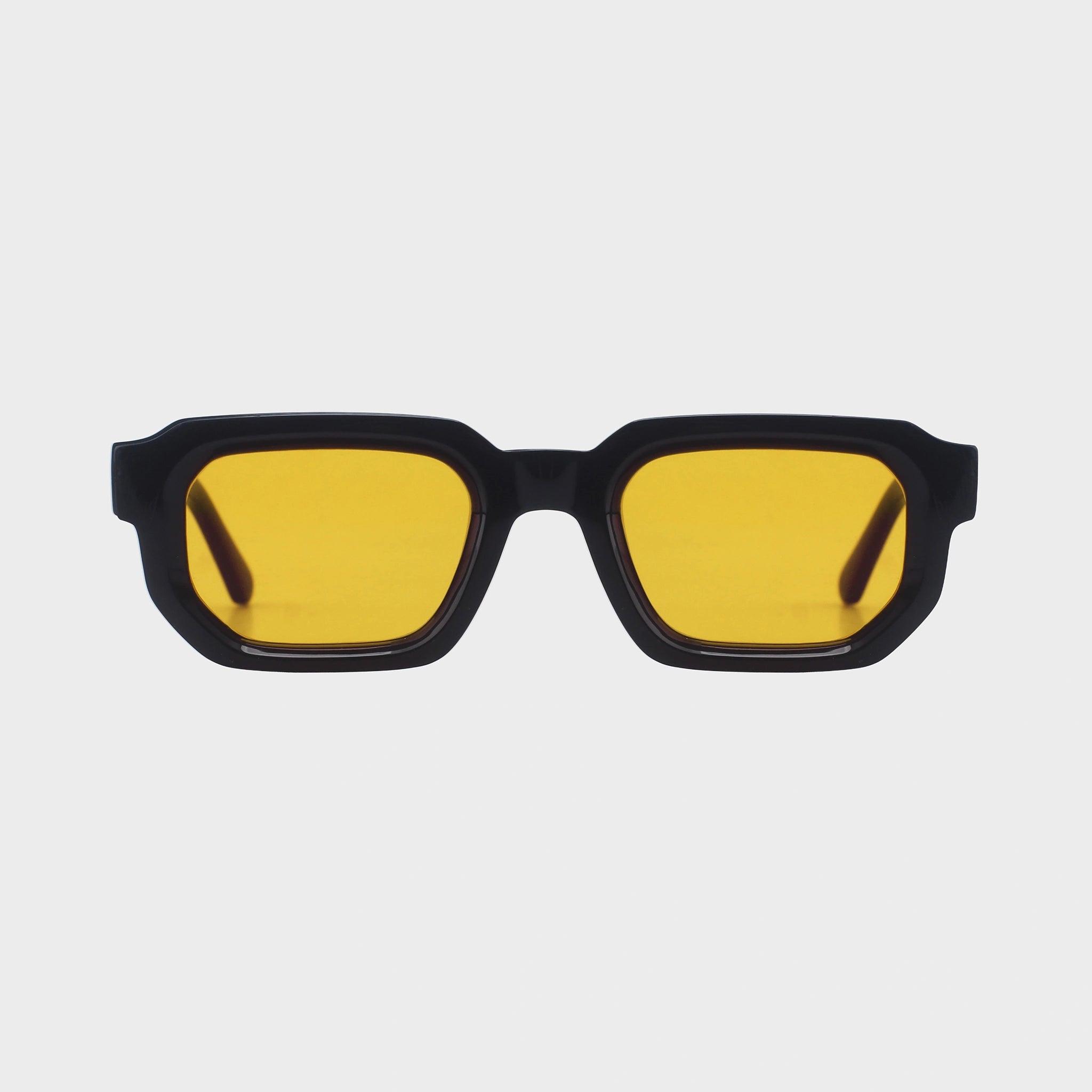

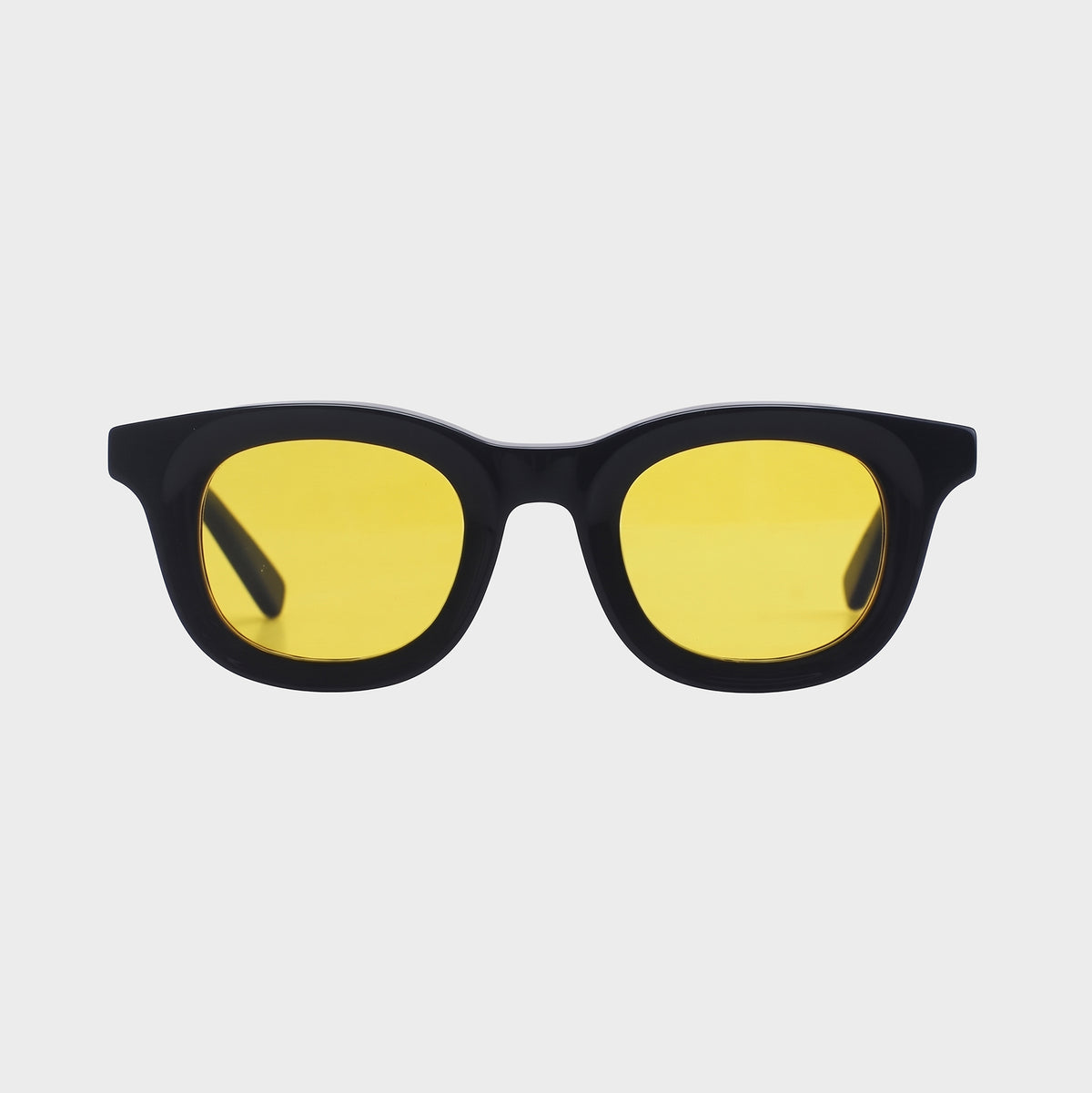
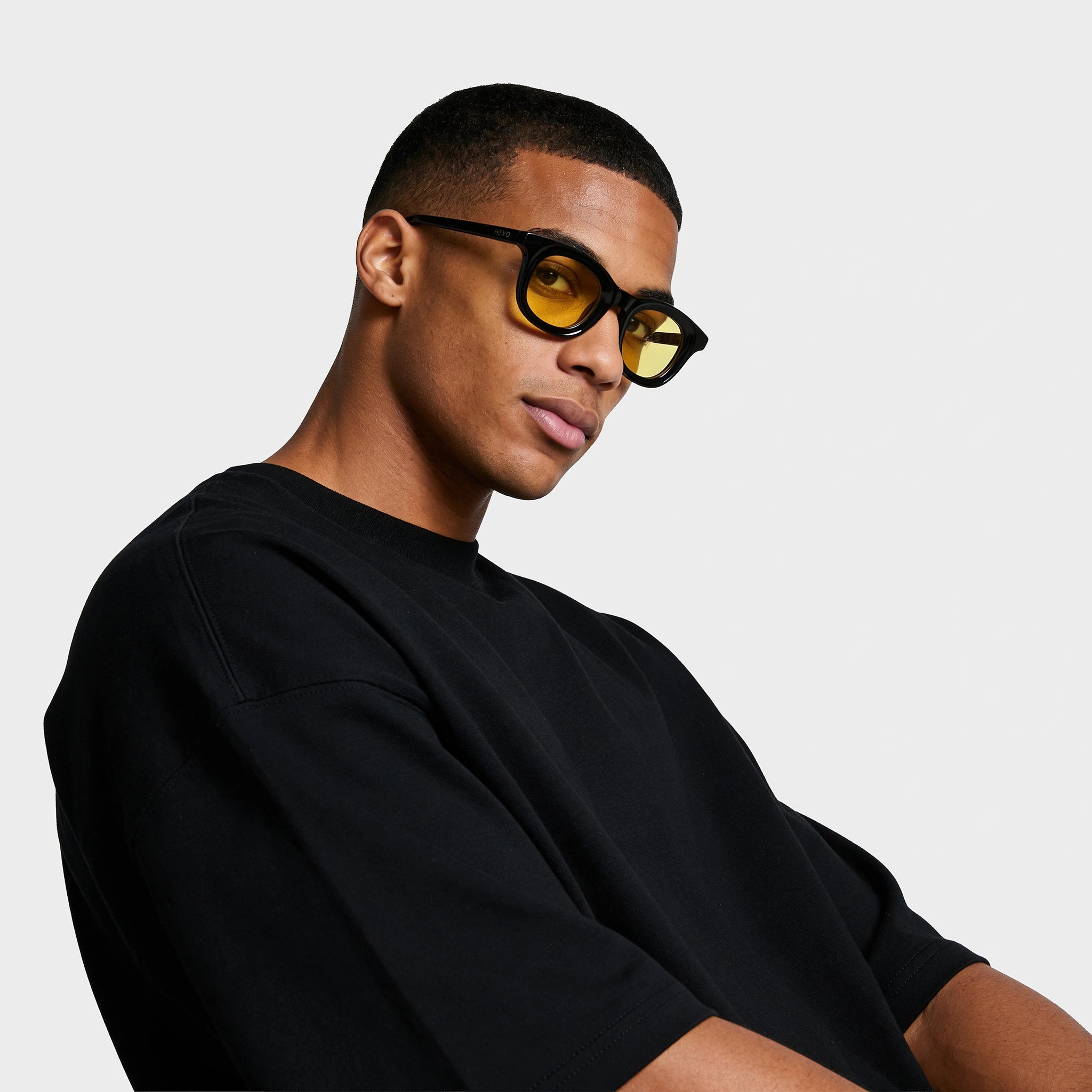
97% blue light block
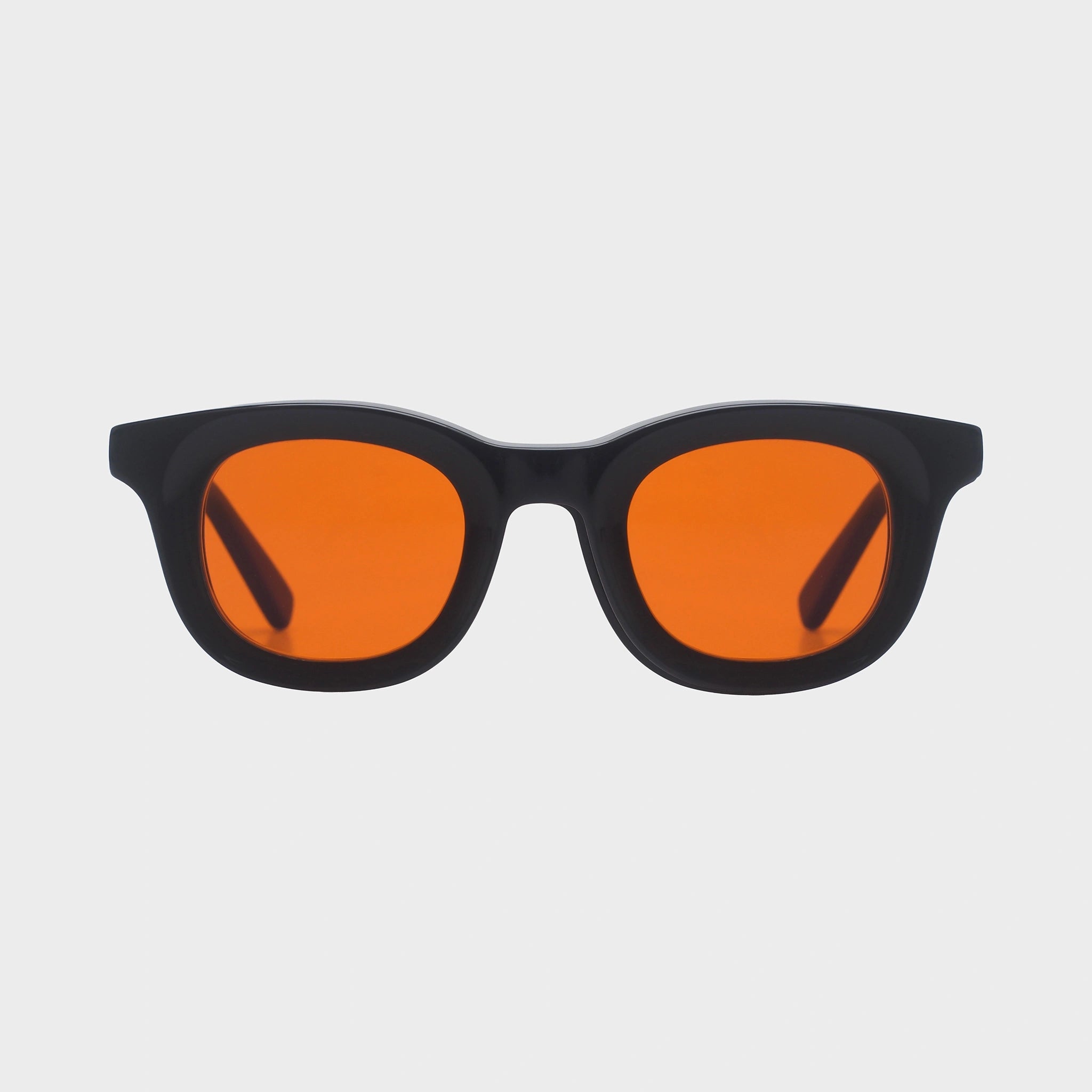
Relax Lens
For the hours between work and sleep. Softens the light around you so your eyes and mind can slow down — perfect for easing into your evening.
Complete your sleep routnie
Other products
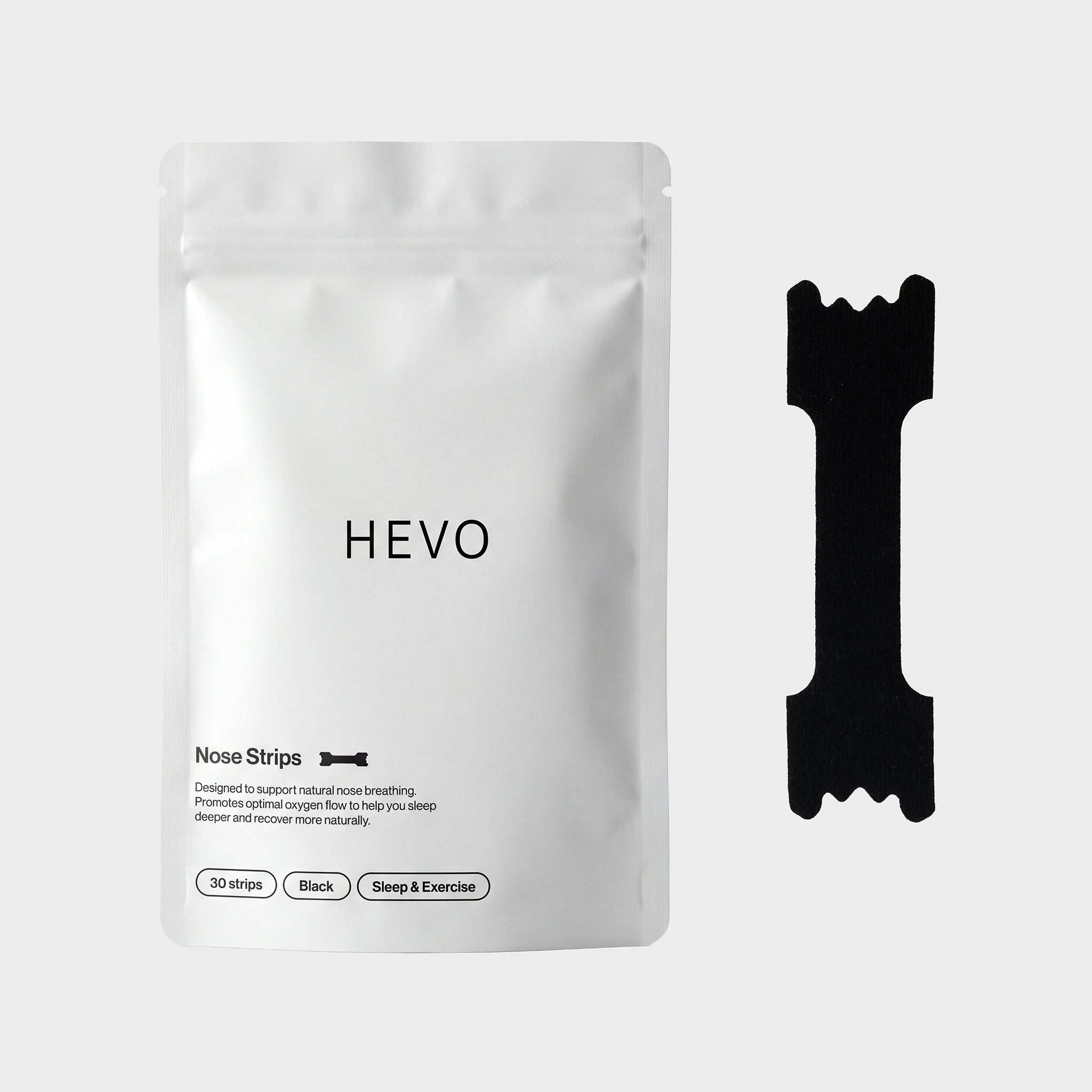
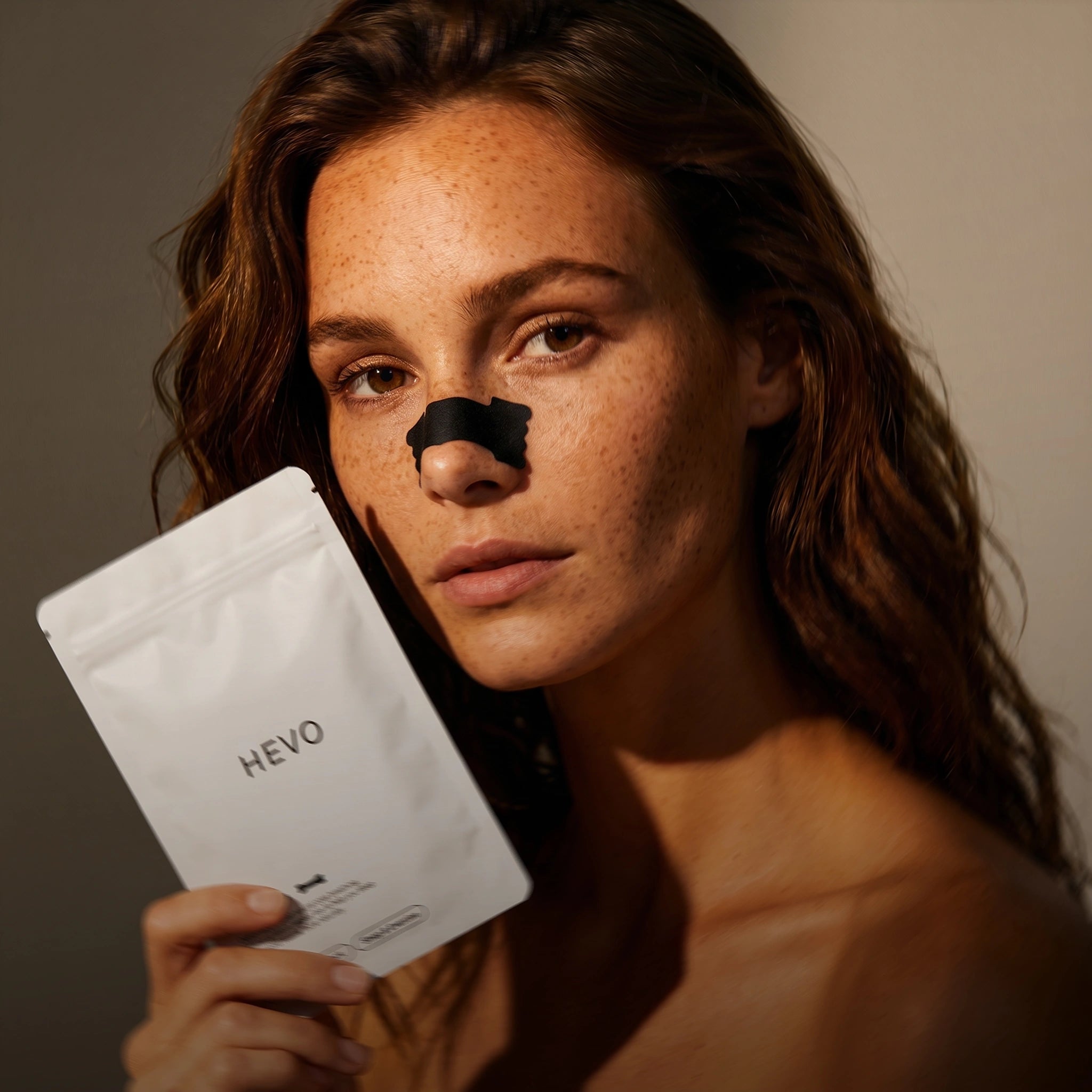
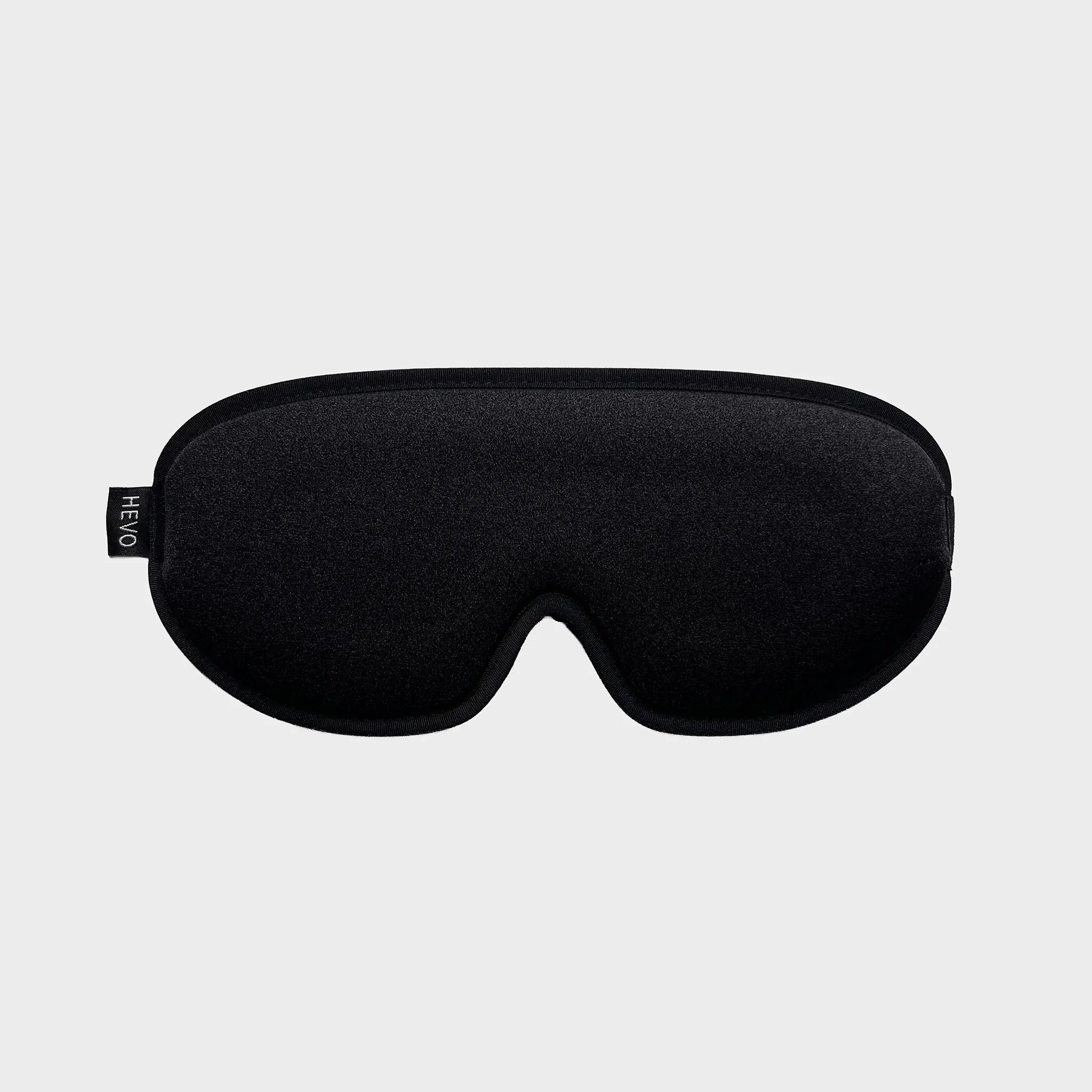
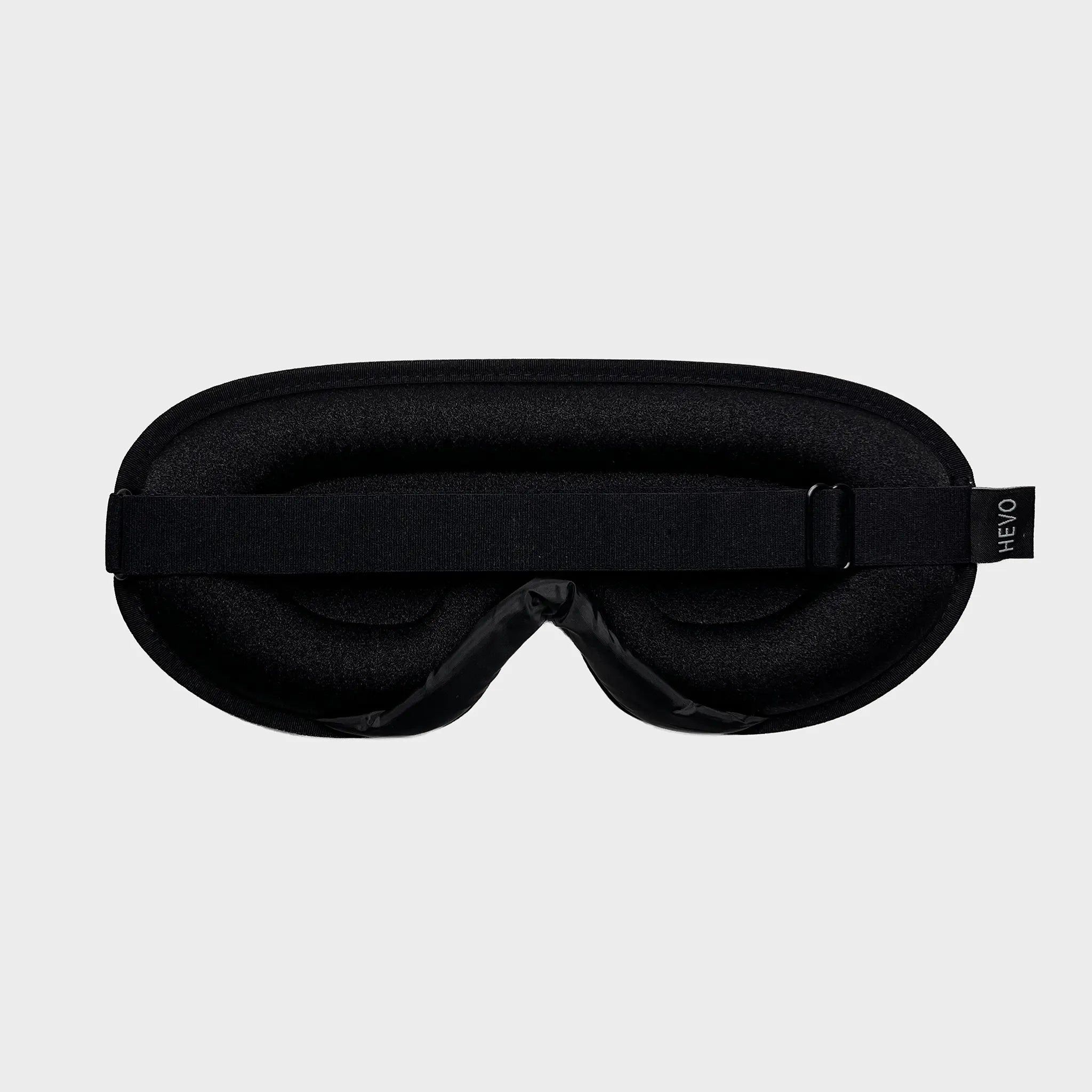
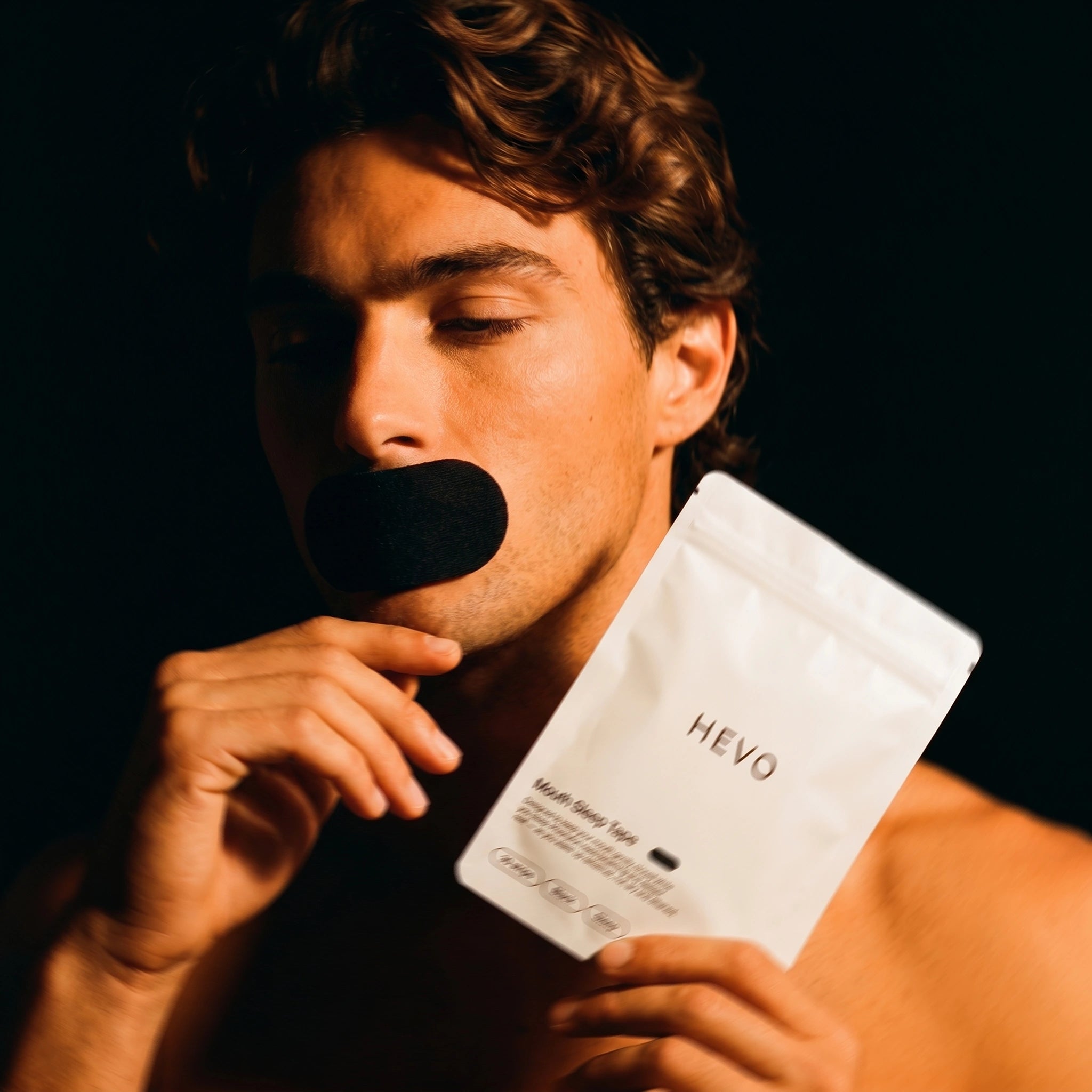
Our other products to get the best and most comfortable rest you deserve.


Real evenings. Measured.
Three lenses. One rhythm. Worn across ninety days by people whose nights actually matter — and measured to see the effect.

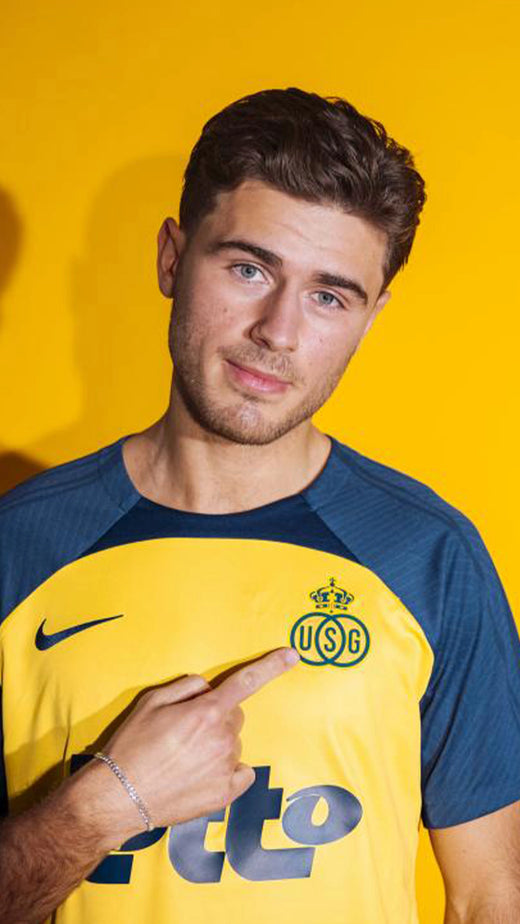
Tallon Griekspoor
Holland
HEVO allow me to control the light for better sleep, recovery and performance.
#1 tennis player in Holland

Ronja Savolainen
Finland
From what my Oura ring shows I fall asleep faster and enters deep sleep almost immediately!
Hockey player in Ottawa Charge and Finland

Jérémy Branger
France
HEVO have helped me wind down and fall asleep faster. The natural, calm feeling at night is fantastic.
Personal trainer
Average 90-day wearer data. Self-reported from wearables.
Trusted by those who value rest
Elite athletes obsess over every variable — training load, nutrition, recovery. Sleep is no different. HEVO exists for those who refuse to leave any edge on the table.




Red glasses for sleep: Sleep Lens
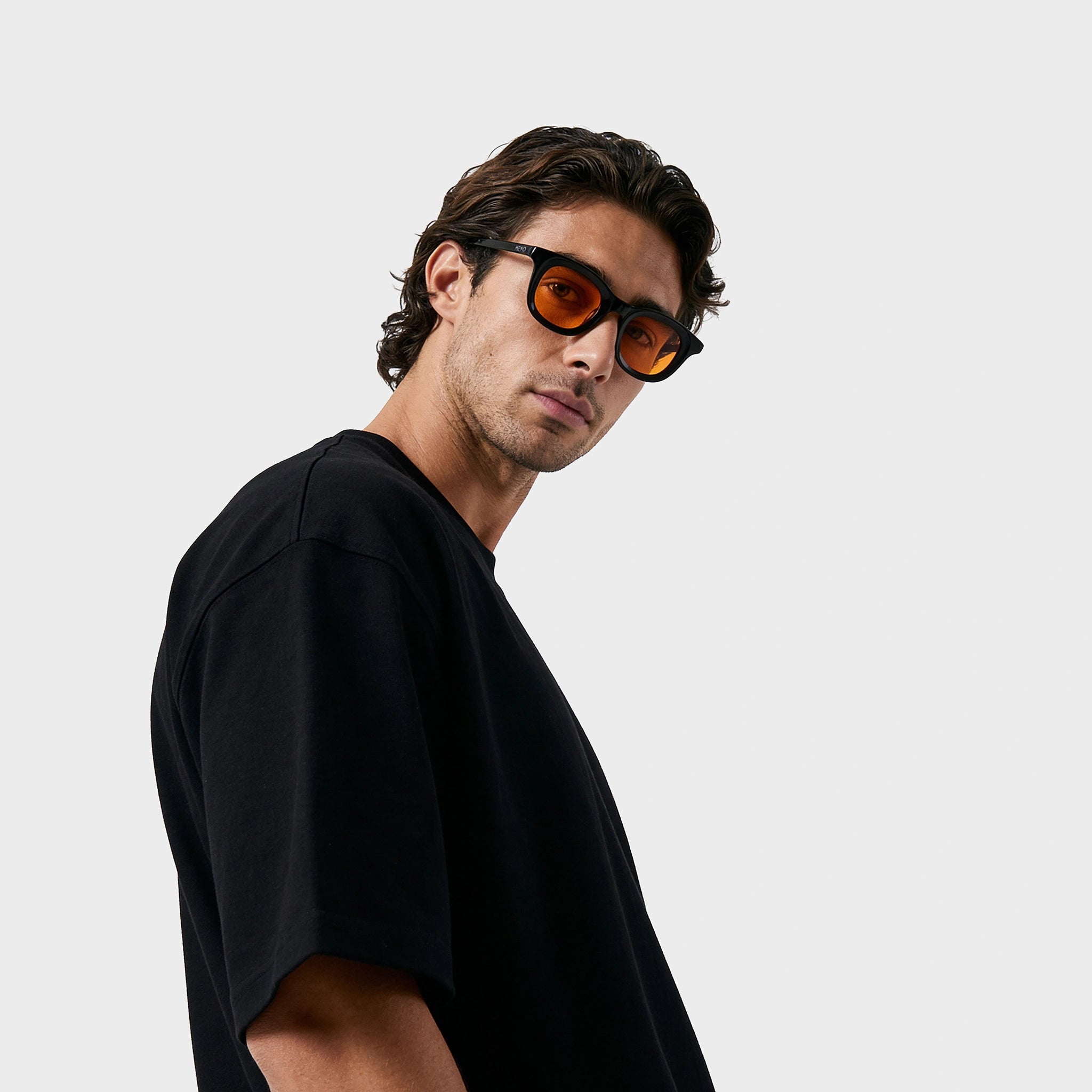
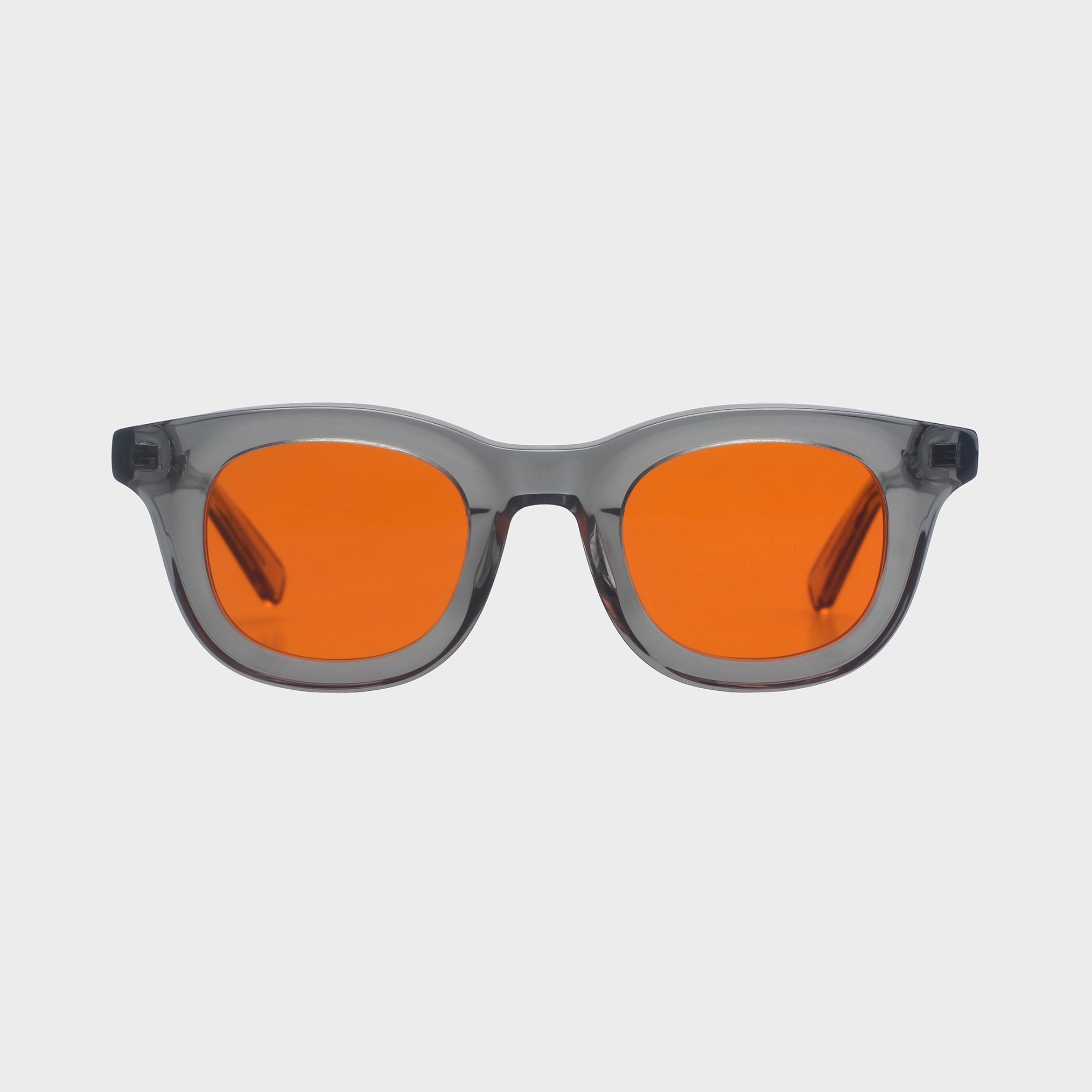
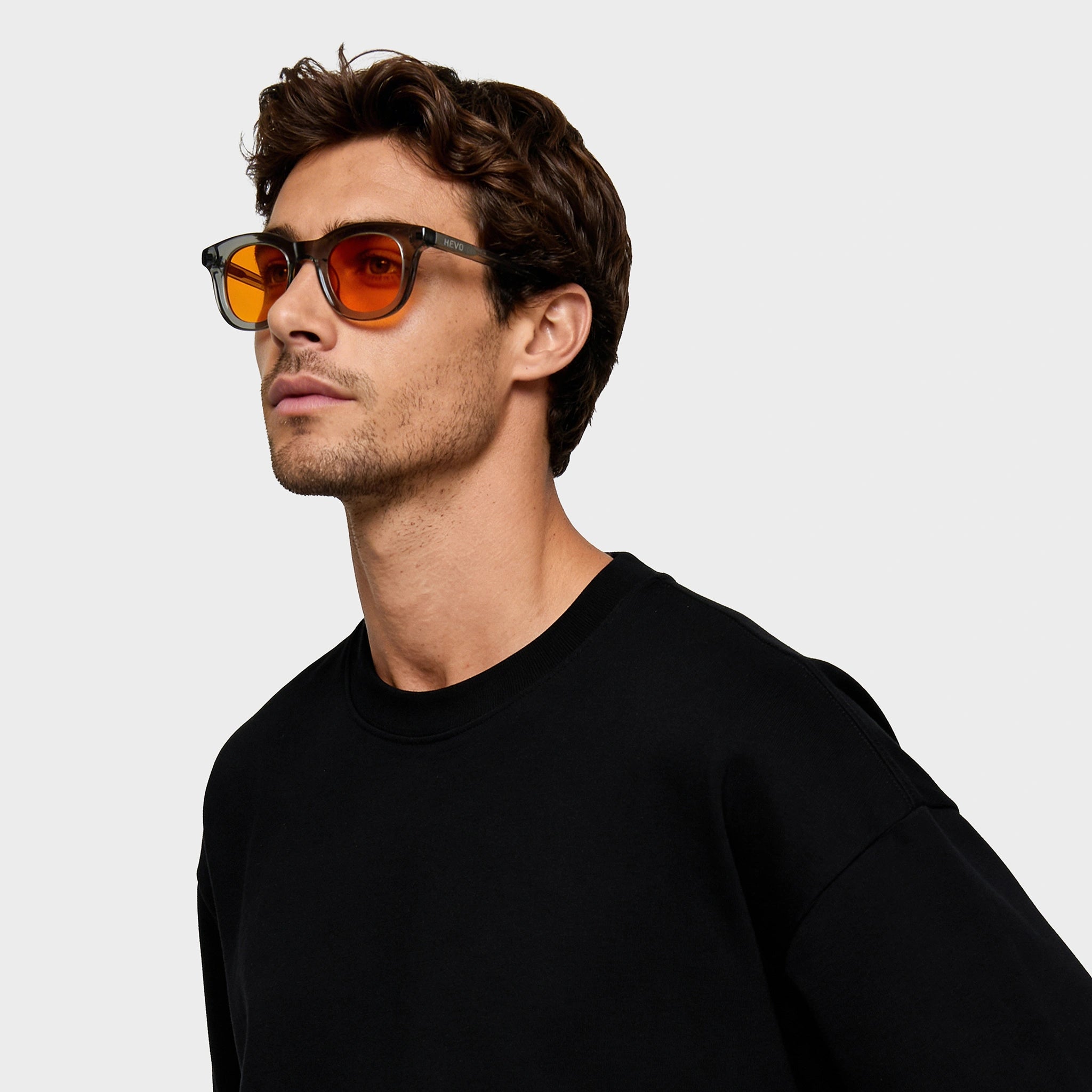
Sleep Lens is our red lens and the strongest filter we make. It filters 99% of light between 400 and 560 nm, measured with a spectrometer. That covers blue light and much of the green, including the area around 480 nm where the melanopsin cells in your eye are most sensitive. Those are the cells that report light to your body clock.
Put them on for the last 1-2 hours before bed. For many people, melatonin starts rising in dim light about two hours before their usual bedtime, and that is the window these blue light glasses for sleep are made for. Everything looks red while you wear them. That is expected, and it is why they belong to the late evening, not the daytime. More in when to wear blue light glasses before bed.
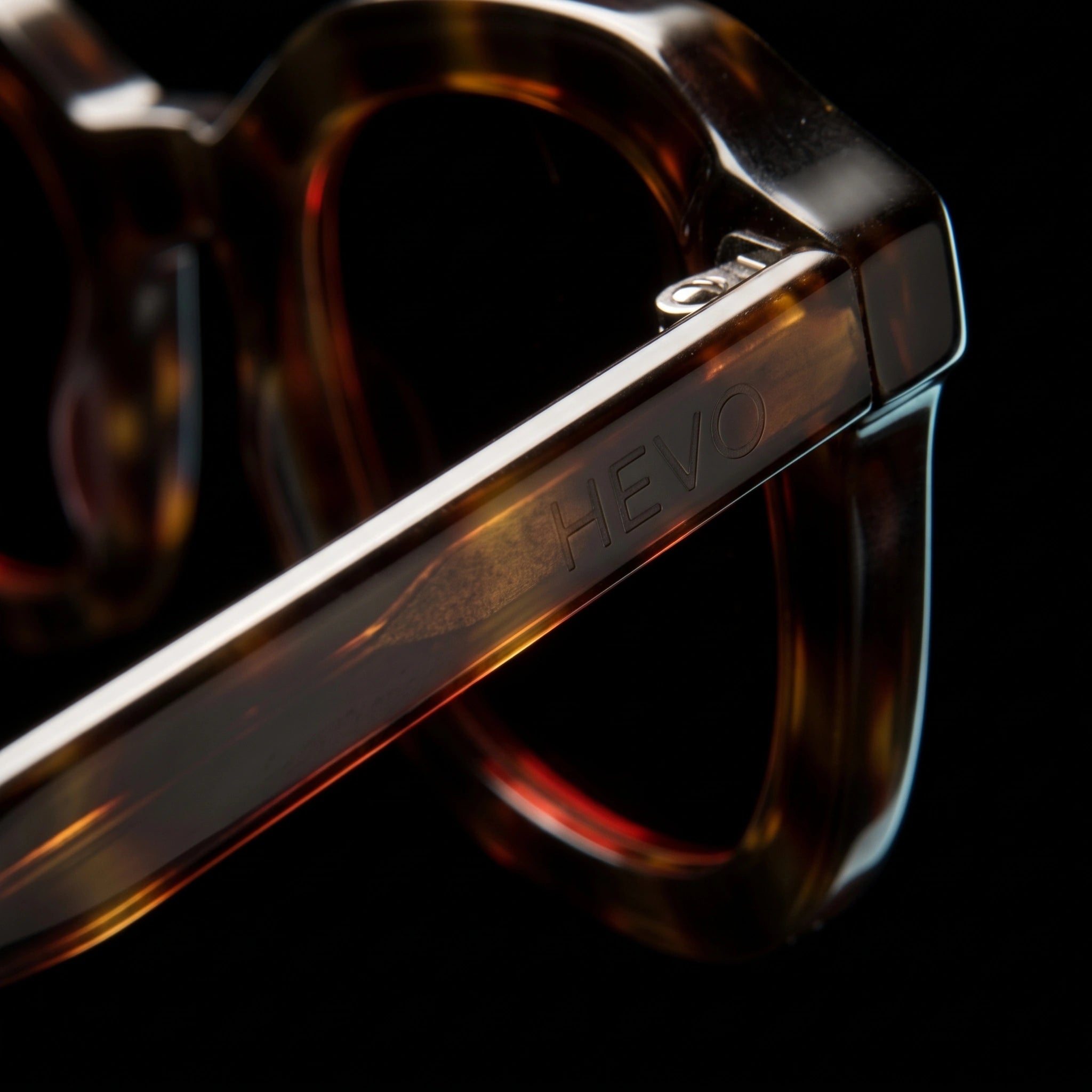
Frames: Ion and Ceres (47-19-150 mm) fit most heads, Helios (44-19-150 mm) suits small to medium heads. All in acetate and all without prescription.
What to expect: the research on glasses and sleep is mixed. Studies are small, and a 2023 Cochrane review rated the evidence as uncertain. Sleep Lens filters light, it does not treat sleep problems. If they persist, talk to a doctor. The full picture is in do blue light glasses help you sleep.
You get 100 evenings to try. Not for you? Return them within 100 days.
Your questions answered
Bought one pair and ended up ordering more…
Bought one pair and ended up ordering several more afterwards. I'm very sensitive to blue light and these glasses are 10/10. And what customer service – it's rare to get such fast help and answers from an online store. Super happy and can warmly recommend these glasses.
Translated from Swedish
 Ceres Black Sleep Lens
Nailed the price-quality - in love!
Honestly first thinking they were expensive. But in the end Lovely glasses, premium quality as expected and great filtering!!! The yellow ones using during daytime are great and the red ones before going to bed (when sun's almost gone). Really sets you in the mood to go to sleep - love them!!!
Really impressed
Really impressed – they filter out blue light and I notice a clear difference in both eye strain and sleep quality. They sit comfortably on the nose and feel well made. Highly recommended!
Translated from Swedish
Strained eyes are a thing of the past
Strained eyes are a thing of the past! I work a lot and long hours, which meant putting up with plenty of tension headaches and tired eyes. Not anymore!
Translated from Swedish
5/5!
5/5! Helps me sleep better, and I wake up fresher with more energy during the day! Highly recommended!
Translated from Swedish
 Helios Black Sleep Lens
I wind down more easily
I've used my red glasses for 3 evenings now and I find I wind down more easily, even when I'm on my phone or working at the computer. My feeling is that the screens no longer drown out the natural tiredness the way they used to when I checked my phone before trying to sleep.
Translated from Swedish
 Ceres Transparent Sleep Lens
Bought one pair and ended up ordering more…
Bought one pair and ended up ordering several more afterwards. I'm very sensitive to blue light and these glasses are 10/10. And what customer service – it's rare to get such fast help and answers from an online store. Super happy and can warmly recommend these glasses.
Translated from Swedish
Ceres Black Sleep Lens
Nailed the price-quality - in love!
Honestly first thinking they were expensive. But in the end Lovely glasses, premium quality as expected and great filtering!!! The yellow ones using during daytime are great and the red ones before going to bed (when sun's almost gone). Really sets you in the mood to go to sleep - love them!!!
Really impressed
Really impressed – they filter out blue light and I notice a clear difference in both eye strain and sleep quality. They sit comfortably on the nose and feel well made. Highly recommended!
Translated from Swedish
Strained eyes are a thing of the past
Strained eyes are a thing of the past! I work a lot and long hours, which meant putting up with plenty of tension headaches and tired eyes. Not anymore!
Translated from Swedish
5/5!
5/5! Helps me sleep better, and I wake up fresher with more energy during the day! Highly recommended!
Translated from Swedish
Helios Black Sleep Lens
I wind down more easily
I've used my red glasses for 3 evenings now and I find I wind down more easily, even when I'm on my phone or working at the computer. My feeling is that the screens no longer drown out the natural tiredness the way they used to when I checked my phone before trying to sleep.
Translated from Swedish
Ceres Transparent Sleep Lens